
Two sounds. One city. No neutral ground.
A hot South London summer. When Afrobeat and Dancehall crews collide, two dancers must decide whether loyalty is a language—or a cage.
- FORMAT
- FEATURE FILM
- STATUS
- IN DEVELOPMENT
BLACK BRITISH FILM STUDIO · BRISTOL / UK
ORIGINAL FILM / CULTURE / NEW PERSPECTIVES
01 / ACTIVE SLATE
FOUR ORIGINAL FEATURES.
BUILT FROM THE GROUND UP.
Two sounds. One city. No neutral ground.
A hot South London summer. When Afrobeat and Dancehall crews collide, two dancers must decide whether loyalty is a language—or a cage.
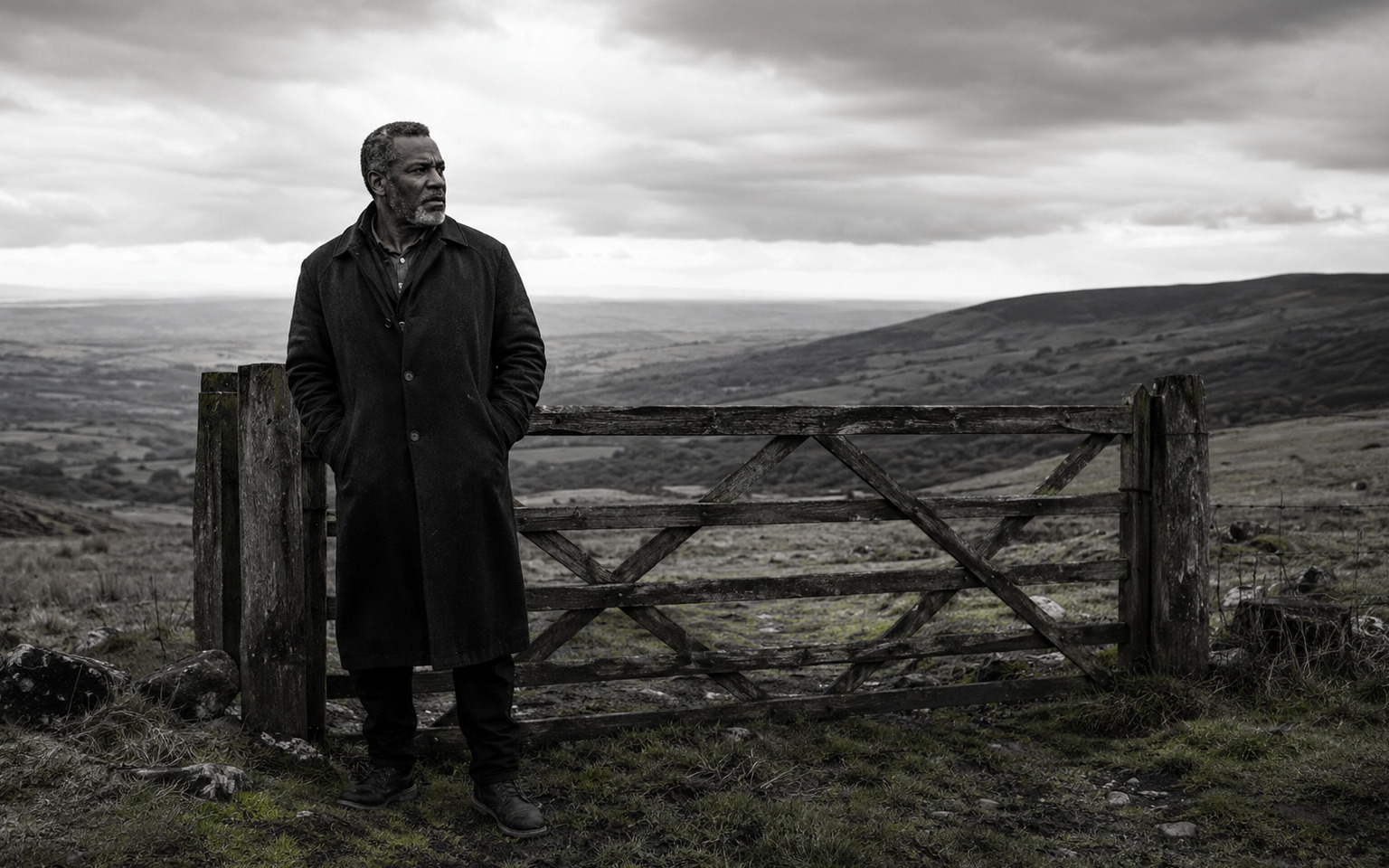
A new life. A village with something to hide.
A Jamaican war veteran seeking a new life in rural Wales must uncover the truth behind a child’s murder when the village turns against its newest arrival.

One weekend. One fake engagement. Too much history.
A recently separated couple fake their engagement for one unforgettable weekend at their annual family camping trip in rural Wales.
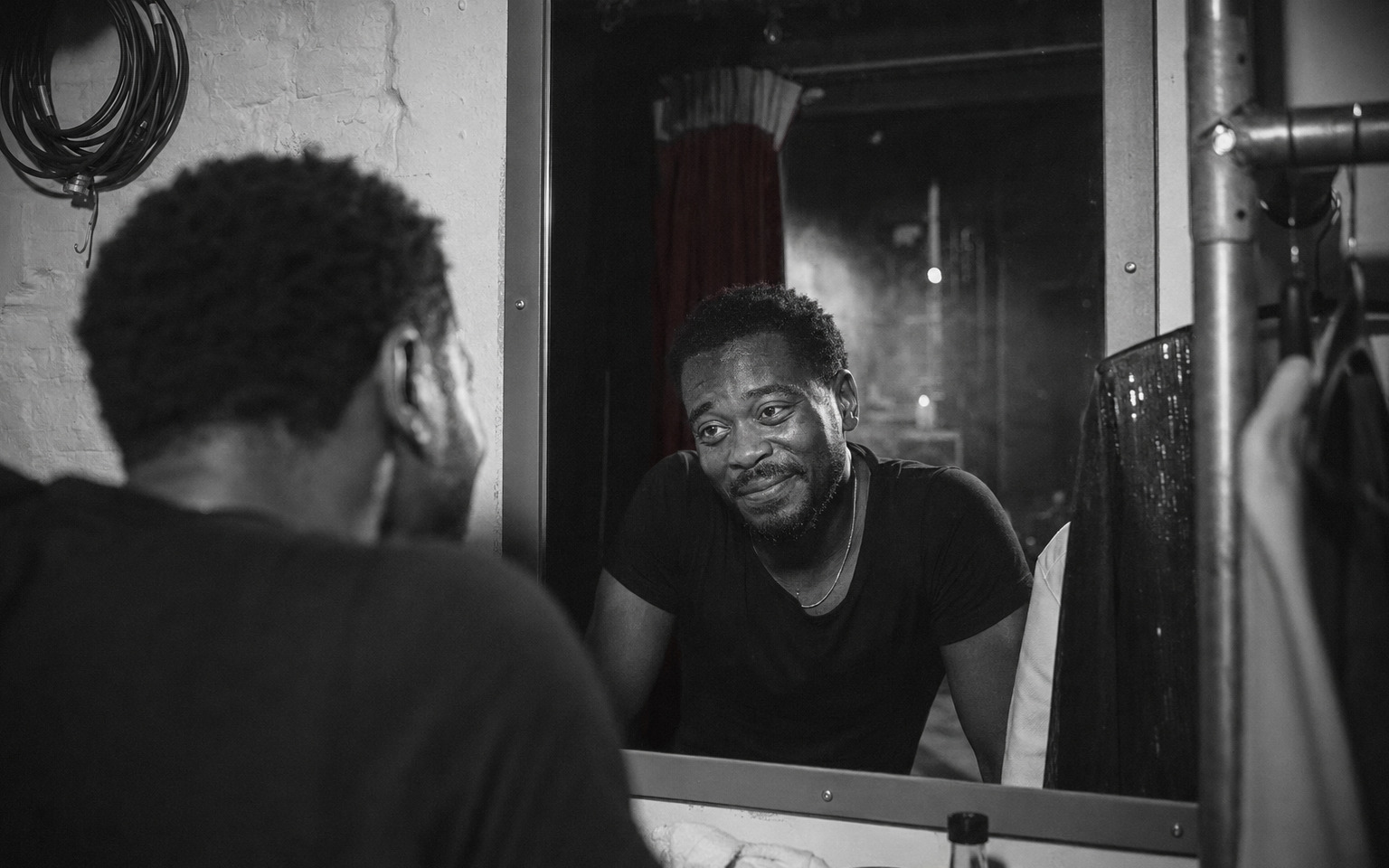
Who controls the joke?
From The Real McCoy to the social-media generation, Funny Business explores how Black British comedians fought for visibility, built their own audiences and changed who controls the joke.
02 / LEGACY RESOURCE
2027 EDITION
A practical operating system for independent screen producers working now—and for those who have never been given a way in.
Developed by Fourth Colour, the handbook connects creative ambition to the decisions, documents and responsibilities that turn an idea into a finished screen work.
EXPLORE THE HANDBOOK ↗Development & Packaging
Finance & Business Affairs
Production Planning
Rights, Data & Emerging Technology
Responsible Physical Production
Post-Production & Delivery
Distribution & Audiences
Practical Playbooks
03 / THE STUDIO
Fourth Colour is an emerging Black British film studio based in Bristol. We develop ambitious, commercially alive stories that let Black characters be funny, romantic, difficult, ordinary, strange and unforgettable.
We are building original intellectual property, practical production knowledge and new routes into producing—because the future of British cinema needs more than representation on screen. It needs ownership behind it.